
You go out for dinner and some restaurant staff asks you: "Do you want to order an appetizer?" While others ask: "Should I bring the starters?" Meanwhile your kids are already asking for "Snacks".
We often find these three words: appetizers, starters and snacks, quite confusing. We commonly use them interchangeably but in reality all these words serve very different purposes. Knowing the differences of appetizers vs starters and starters vs snacks is important to plan better meals and hosting better events by avoiding food that doesn't fit the setting.
So what is the actually the difference between appetizers and snacks, where does each one fit in the course order of the meal and when should you use each of them? We'll discuss the definitions with examples and tabular information for better understanding.
Quick Definitions
Before jumping on to the details, let's learn about the meanings of each of these terms: appetizers, starters, and snacks.
Appetizer
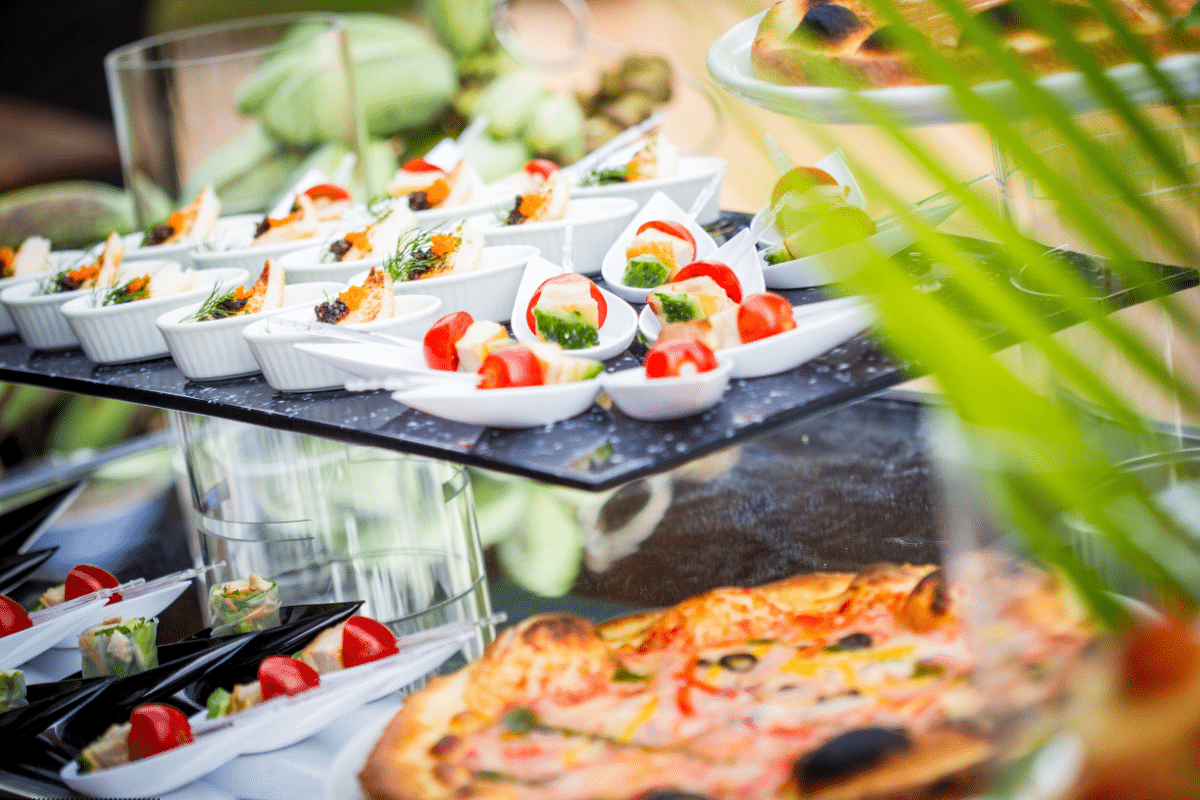
Appetizers are small foods which you serve before the main meals. Appetizers are served as starters or openers of the meals. They serve the purpose of stimulating the appetite of guests without filling them up. Appetizers are shareable and smaller in size. They are a good reason for guests to mingle and start social conversations as well.
Examples: Finger foods, dips, small bites, and hors d’oeuvres.
If you try this recipe of Shrimp Spring Rolls, I bet you can amaze your whole guests list in the next event that you host.
Starters
Starters are the first plated meal served to the guests in a formal event. They're usually served to each guest on their table and requires cutlery to eat.
Examples: Soup, salads
Snacks
Snacks are different from appetizers vs starters. These are eaten in between meals to quickly dull the hunger. It is not important for snacks to be meal related.
Examples: fruits, nuts, crackers, packaged snacks.
Key Differences of Appetizers, Starters, Snacks

Let's look at the tabular comparison of these three terms to help understand everything better.
| Category | Appetizers | Starters | Snacks |
| Timings | Before the main meal or during the event | Before the main meal | In between the meals |
| Setting | In a casual event or gathering | In a formal event | In a casual, everyday |
| Portion size & Presentation | Small, shareable, often grab-and-go | Plated, individual portions | Minimal, informal |
| Purpose | Stimulate hunger, socialize | Indicate the beginning of main course, set the tone for meal | Dull the hunger |
When to Use “Appetizer”
Appetizers or hors d’oeuvres are ideal for social gatherings and casual events. These are small, shareable, and flexible foods that are meant to stimulate hunger and encourage socializing. Although appetizers are served before the main courses. However, in many U.S. based events, appetizer replace main meals.
Appetizers ideally fit;
- Parties
- Game day events
- Social gatherings
- Cocktail parties
- Casual hosting
Perfect examples of appetizers for these events are;
- Finger foods
- Dips and spreads
- Wontons
- Stuffed pastries
- Skewers
- Bite-sized rolls
Appetizers are designed to be eaten easily and comfortably. Hence, they include items that guests can enjoy while standing, walking, or socializing around.
Enjoy the most amazing Appetizers by using our super easy recipes.
When to Use “Starter”
Starters are also small sized food items that are likely to be served in a more formal and structured dining experience. Starter is a pre-dinner food that is served once everyone is seated. Its portion size is slightly bigger than appetizers and they're plated starter served to each guest on the table individually.
Starters are fit for events like;
- Formal dinners
- Fine dining restaurants
- Multi-course menus
Examples of starters include;
- Oysters
- Smoked salmon
- Gazpacho
- Soups
- Salads
Starters basically pace the meals. They prepare the palates and set the tone for upcoming main meals.
When to Use “Snack”
Snack foods are an entirely different category. They can be eaten to dull hunger at any time of the day. They don't require any meal courses or sequence. Snack foods are quick, casual, and low effort foods that are available to eat on the go.
Situations ideal for snack foods;
- Afternoon cravings
- Kids snack time
- Late-night hunger pangs
- Low energy days
Snacks can be anything from healthy or junk categories;
- Nuts
- Chips
- Biscuits
- Fruits
Examples for Each Category
By looking at some of the examples for each category can help you in having a better and clearer picture of the differences.
Appetizer examples:
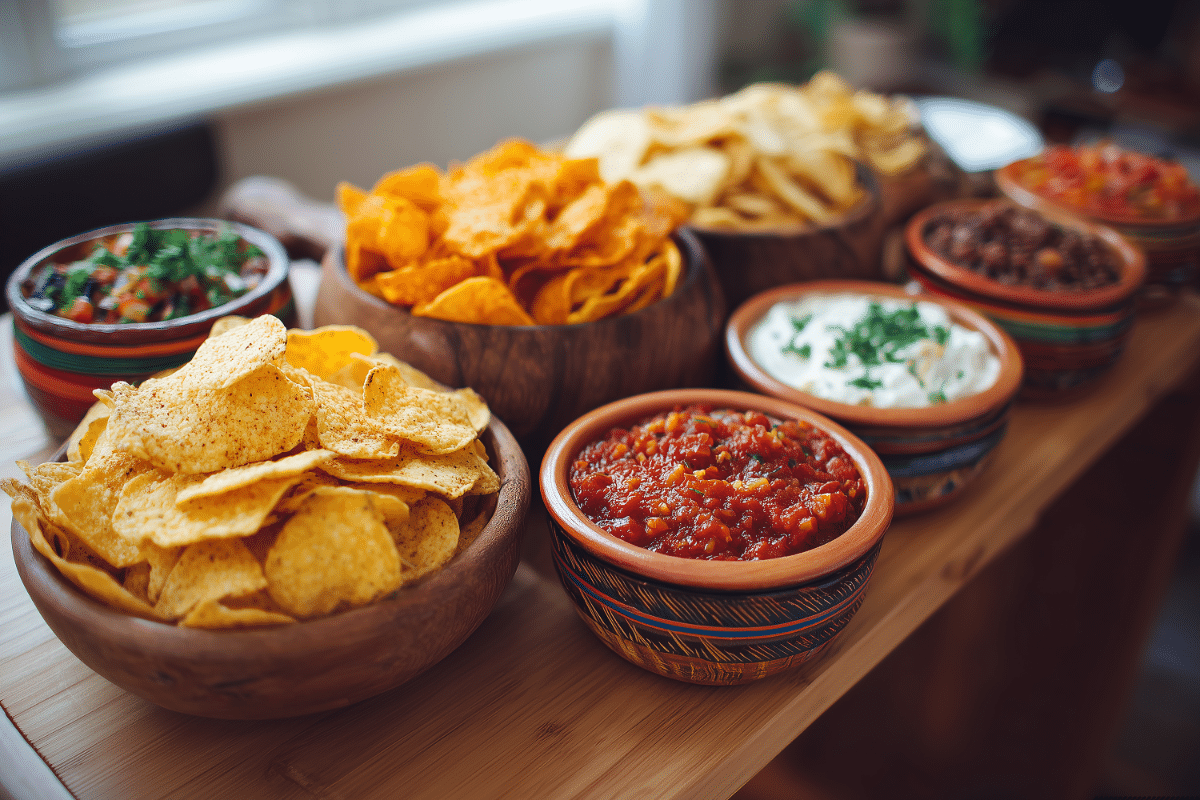
- Hummus with bread
- Salsa with chips
- Guacamole
- Finger foods
- Skewers
- Sliders
- Canapes
You should definitely check out my blog on What are Appetizers to get a detailed insight of all sorts of appetizers according to different occasions.

Starter Examples
- Tomato Soup
- Seafood soup
- Ceaser salad
- Small plated seafood dish (oysters)
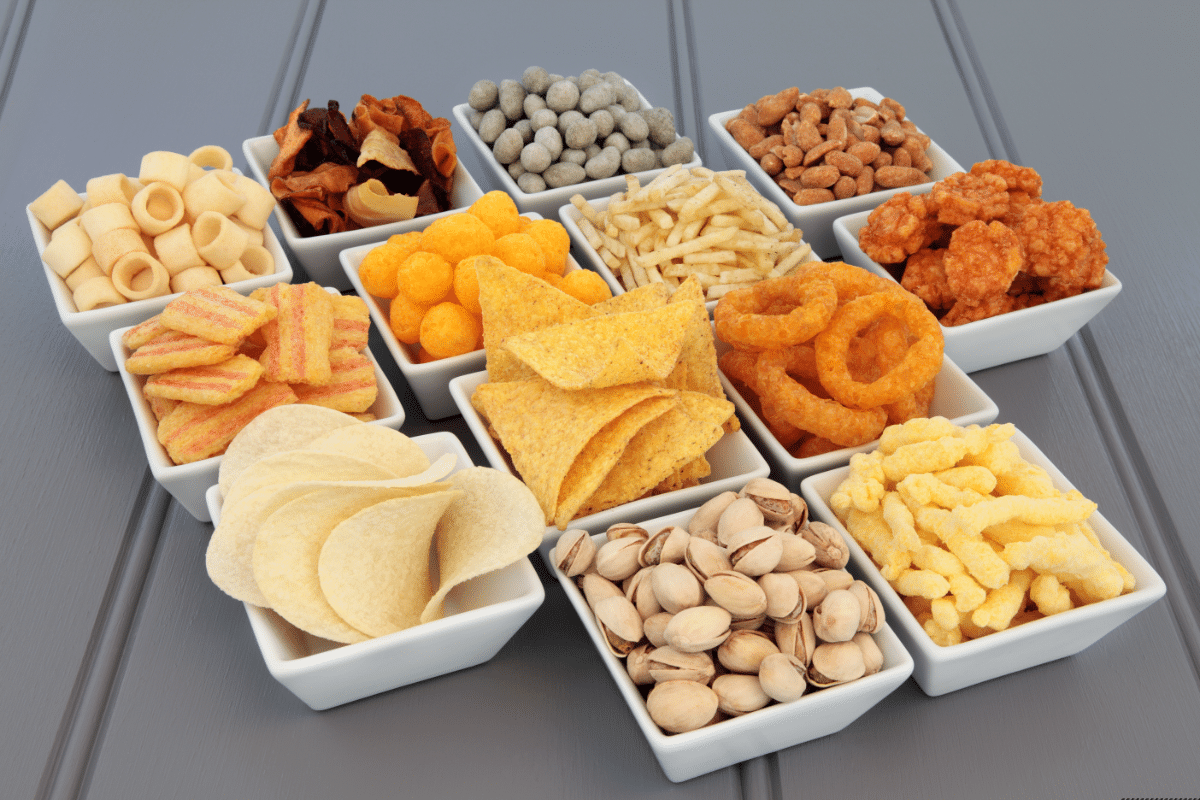
Snack Eamples
- Fresh fruits
- Nuts
- Seeds
- Crackers
- Packaged foods
- Yogurt
- Bread
Hosting Tips That Actually Help
It is a good thing to know the differences between appetizers, starters, and snacks. However, using it well is another major thing to do.
Here are some basic tips to host your next event by keeping food appropriate to the event.
- If you intend to serve heavy food for dinner later, then keep the appetizers or starters lighter. Avoid food that can make your guests feel heavy or full.
- If you don't want to serve main meal and instead, your appetizers will replace the main meals. In such cases, keep the appetizers or starters heavier. Thoughtfully planned dishes can help you replace appetizers with main courses.
- Always offer variety of cold and hot starters or appetizers to the guests to avoid repetitive tastes and styles.
Follow this recipe to make Simple Guacamole dip for your guests.
FAQs
No they are not. Appetizers are fit for more casual styles dinings events that's why they're called social foods. Whereas, starters are ideal for more formal even settings. While all starters can be appetizers but not all appetizers can be starters.
A salad can be either. Plated salads served at the table are starters. Shared salad platters at parties act as appetizers.
Snacks are eaten between meals for hunger. Appetizers are served before meals or at gatherings to entertain guests.
Absolutely. If you intend to not serve main courses at a party, you can offer heavier appetizers to the guests to make them feel fuller. Thoughtfully planned appetizers can replace meals at a party.
Most finger foods are appetizers, but they can also be snacks depending on timing and setting.
Light soups, salads, and small plated dishes work best as starters.
Cheese cubes, nuts, fruit platters, and crackers can blur the line while staying casual.
Keep them light, serve smaller portions, and avoid heavy proteins or fried foods.
Leave a Reply